November 12, 2026
A cluttered yard can make an otherwise welcoming home feel neglected. Fallen branches, crowded planting beds, and dirty walkways also limit how comfortably people use their outdoor space. Professional yard cleanup addresses these problems together, helping homeowners regain room for relaxing, entertaining, and everyday activities. The most effective projects consider both immediate concerns and the property's ongoing maintenance needs. We believe a clear conversation about priorities helps homeowners feel confident about the work being scheduled and the results they can expect.
Every landscape has different priorities. A wooded property may collect substantial storm debris, while a smaller yard might struggle with overgrown borders and limited access. Knowing what to discuss with a cleanup provider helps establish realistic expectations. The following five priorities explain what makes an outdoor refresh thorough, practical, and respectful of existing landscape features.
Prioritize Removing Accumulated Debris
Address Fallen Branches
Strong winds and seasonal storms can scatter limbs across lawns, garden beds, and access paths. Larger branches may obstruct regular maintenance, while smaller pieces become tangled in shrubs or groundcover. During yard cleanup, professional crews can assess the amount of debris and arrange suitable removal. Homeowners should mention any damaged trees that may need separate attention from a qualified tree specialist.
Address Heavy Leaf Buildup
Leaves often collect against fences, beneath hedges, and around outdoor structures. Thick accumulations can conceal uneven ground and keep surfaces damp. Some organic material benefits garden soil, so complete removal is not always necessary everywhere. Existing mulch and groundcover may remain undisturbed.
Address Unwanted Outdoor Items
Old planters, broken furniture, unused containers, and abandoned accessories can occupy valuable backyard space. These objects may also make it harder to reach planting beds or storage buildings. Before scheduling service, homeowners can identify which possessions should remain and which require disposal. Clear expectations prevent confusion. Photographs of larger items can also help explain the removal request before a crew arrives and evaluates the property.
Address Hidden Corner Clutter
Behind sheds and along property boundaries, debris may accumulate unnoticed for months. These neglected corners can conceal drainage problems, damaged edging, or unwanted vegetation. Including less visible areas in the service discussion creates a more complete result.
Prioritize Restoring Overgrown Areas
Evaluate Excessive Lawn Growth
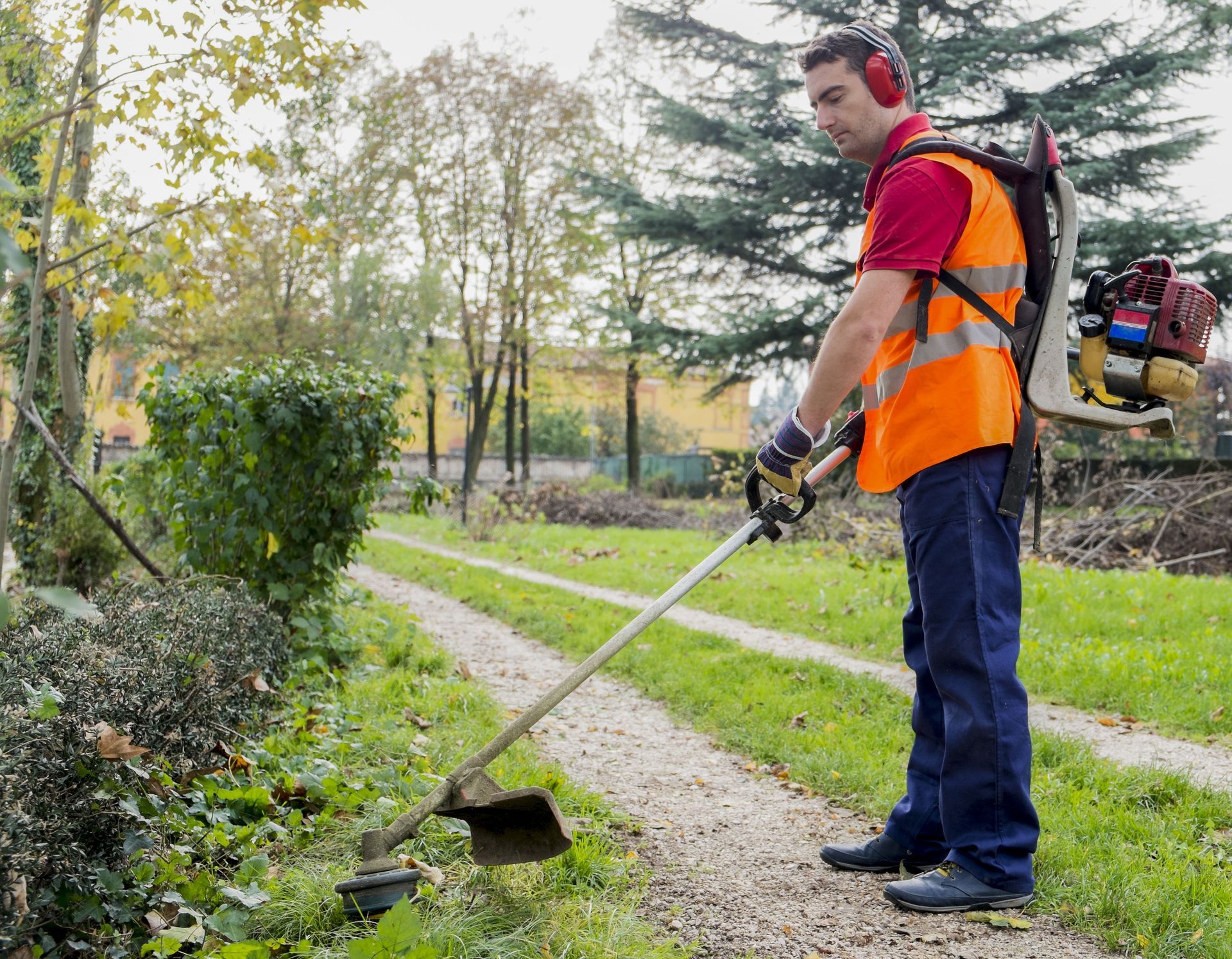
Rapid grass growth and persistent weeds can make a property appear uneven and difficult to maintain. Conditions vary with rainfall, sunlight, and the time since previous service. A professional yard cleanup can address neglected growth while accounting for established turf and surrounding plants.
Evaluate Crowded Garden Beds
Garden beds may contain a mixture of desirable perennials, seasonal growth, fallen leaves, and invasive plants. Without clear identification, valuable vegetation could be mistaken for unwanted growth. Discussing which plants should remain allows crews to focus on the intended areas.
Evaluate Obstructed Access Paths
Branches and sprawling vegetation can narrow walkways, block gates, and crowd steps. These obstructions make ordinary movement inconvenient and can reduce visibility around changes in elevation. A cleanup plan should identify frequently used routes, including access to garages, patios, and utility equipment.
Evaluate Neglected Fence Lines
Fence lines and distant property edges often receive less attention than central lawn areas. Weeds, vines, and windblown debris can create a noticeably unfinished appearance. Including these boundaries in service discussions helps homeowners avoid a freshly maintained center surrounded by neglected edges.
Prioritize Refreshing Hard Surfaces
Inspect Walkways and Driveways
Concrete and paved surfaces gradually collect soil, pollen, leaf residue, and other outdoor grime. Some buildup can affect traction when surfaces become wet. Professional assessment helps determine which cleaning methods suit the material and its condition.
Inspect Patios and Seating Areas
Patios support meals, conversations, and time outdoors, yet accumulated debris can make them less appealing. Including gathering spaces in a yard cleanup helps create a consistent appearance between lawns, garden beds, and the places where people spend time.
Inspect Surface Cleaning Needs
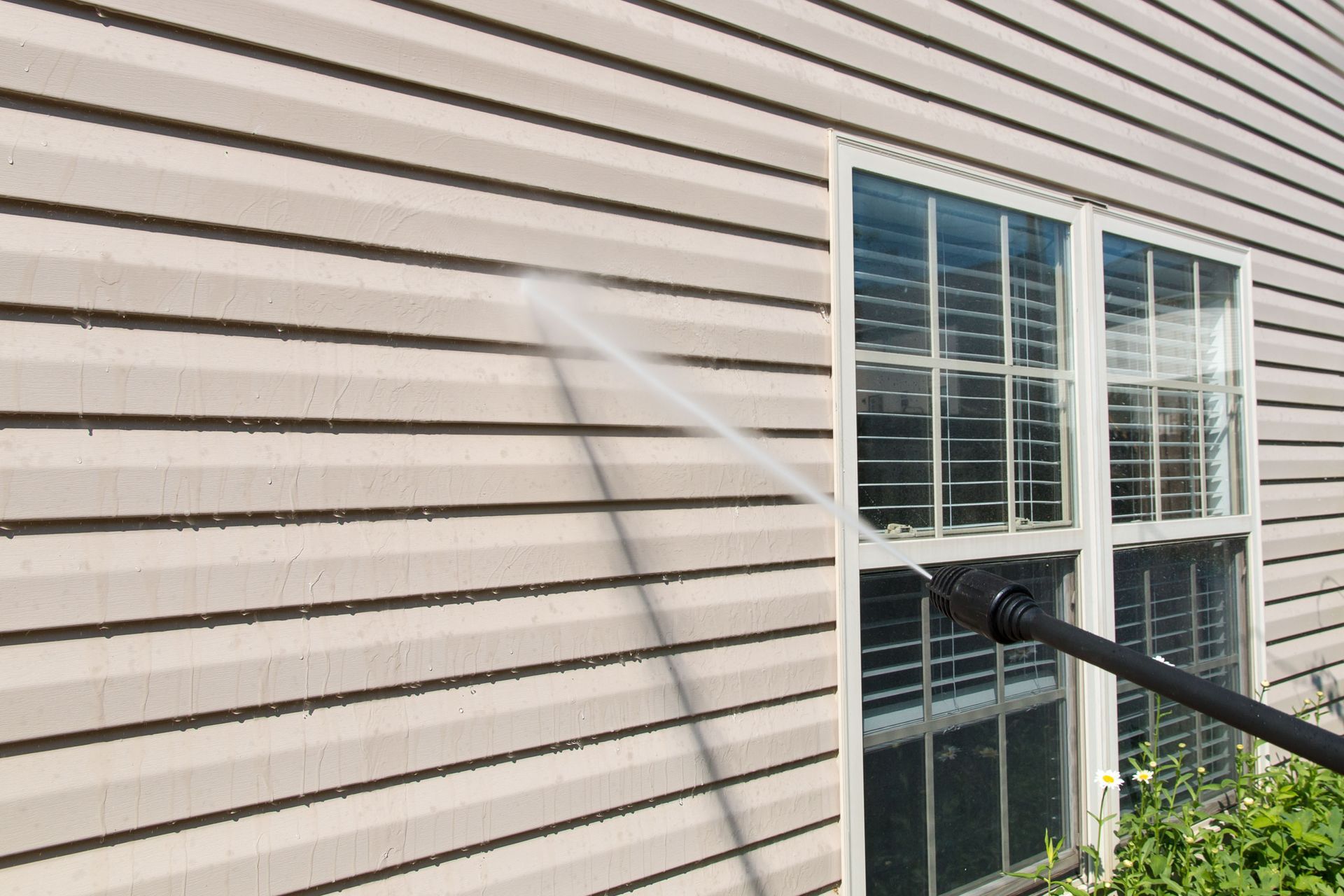
According to Dataintelo, North America generated 35.2% of global pressure washing services revenue, indicating substantial regional demand for exterior cleaning. Pressure washing may suit certain hard surfaces, but pressure levels and material condition matter. Painted finishes, fragile masonry, and damaged joints may need alternative approaches.
Inspect Drainage Openings
Leaves and sediment sometimes collect around surface drains, channels, and low spots. Blockages can contribute to standing water during rainfall and leave surrounding areas muddy. A professional can identify visible accumulation during the outdoor assessment.
Prioritize Preserving Existing Features
Identify Established Trees
Mature trees provide shade and contribute to a property's character. Homeowners should identify valuable specimens and communicate concerns about existing damage. A careful yard cleanup improves surrounding conditions without treating established landscape elements as disposable obstacles.
Identify Delicate Plantings
Young shrubs, flowering perennials, and decorative borders can be vulnerable to accidental disturbance. Seasonal dormancy makes some desirable plants resemble weeds or empty planting spaces. Pointing out these locations before service helps crews distinguish what should remain.
Identify Lighting and Irrigation
Low landscape lights, sprinkler heads, and irrigation lines may be hidden beneath foliage or debris. These features can be damaged if their locations are overlooked. Sharing known equipment locations helps professionals plan around them. Homeowners can also mention features that have been recently installed or repaired, since those areas may need additional care.
Identify Erosion Warning Signs
Washed-out mulch, exposed roots, and channels in bare soil may indicate recurring water movement. Removing debris can reveal these conditions more clearly, but routine yard cleanup does not necessarily resolve their causes. Homeowners should document persistent trouble spots and ask whether additional landscape or drainage evaluation would be appropriate.
Prioritize Planning Future Maintenance
Consider Seasonal Service Timing
Different seasons bring different outdoor challenges. Spring growth may overwhelm planting beds, summer storms can scatter branches, and autumn produces heavy leaf accumulation. Scheduling service around predictable changes helps prevent neglected conditions from becoming harder to manage.
Consider Access and Property Size
A compact yard with narrow gates presents different logistical concerns than a large, open property. Slopes, retaining walls, and crowded planting areas can also affect access. When requesting yard cleanup, homeowners should describe these conditions so the provider can assess equipment needs, scheduling, and the practical scope of work.
Consider Hauling and Disposal
Debris removal does not always include hauling every material away. Branches, green waste, old furniture, and construction remnants may fall under different service arrangements. Clarifying what is included helps avoid misunderstandings after work begins.
Consider Long-Term Outdoor Goals
Some properties need a seasonal refresh, while others are being prepared for new landscaping, gatherings, or regular maintenance. Explaining the intended outcome helps professionals prioritize the most relevant areas. A clear plan can also identify recurring problems that deserve attention beyond the immediate appointment. This may include scheduling seasonal visits rather than waiting until debris and overgrowth interfere with normal use of the yard.
A successful outdoor refresh combines debris removal, vegetation management, hardscape attention, and protection of existing features. Looking at the entire property helps homeowners avoid overlooked corners and establish more practical maintenance expectations. Regular care can preserve usable space and make outdoor activities more enjoyable throughout the year. Homeowners also benefit from discussing which improvements require specialized services outside a standard cleanup appointment.
Ready to bring your property back into shape? Contact Messy Call Jesse to discuss your outdoor concerns and schedule professional yard cleanup. Our team can assess accumulated debris, overgrown areas, and neglected surfaces, then help you plan a cleaner, more welcoming space that suits your needs.